
Off-Spec Feed: How to Handle It and Keep It Out of the Feed Supply
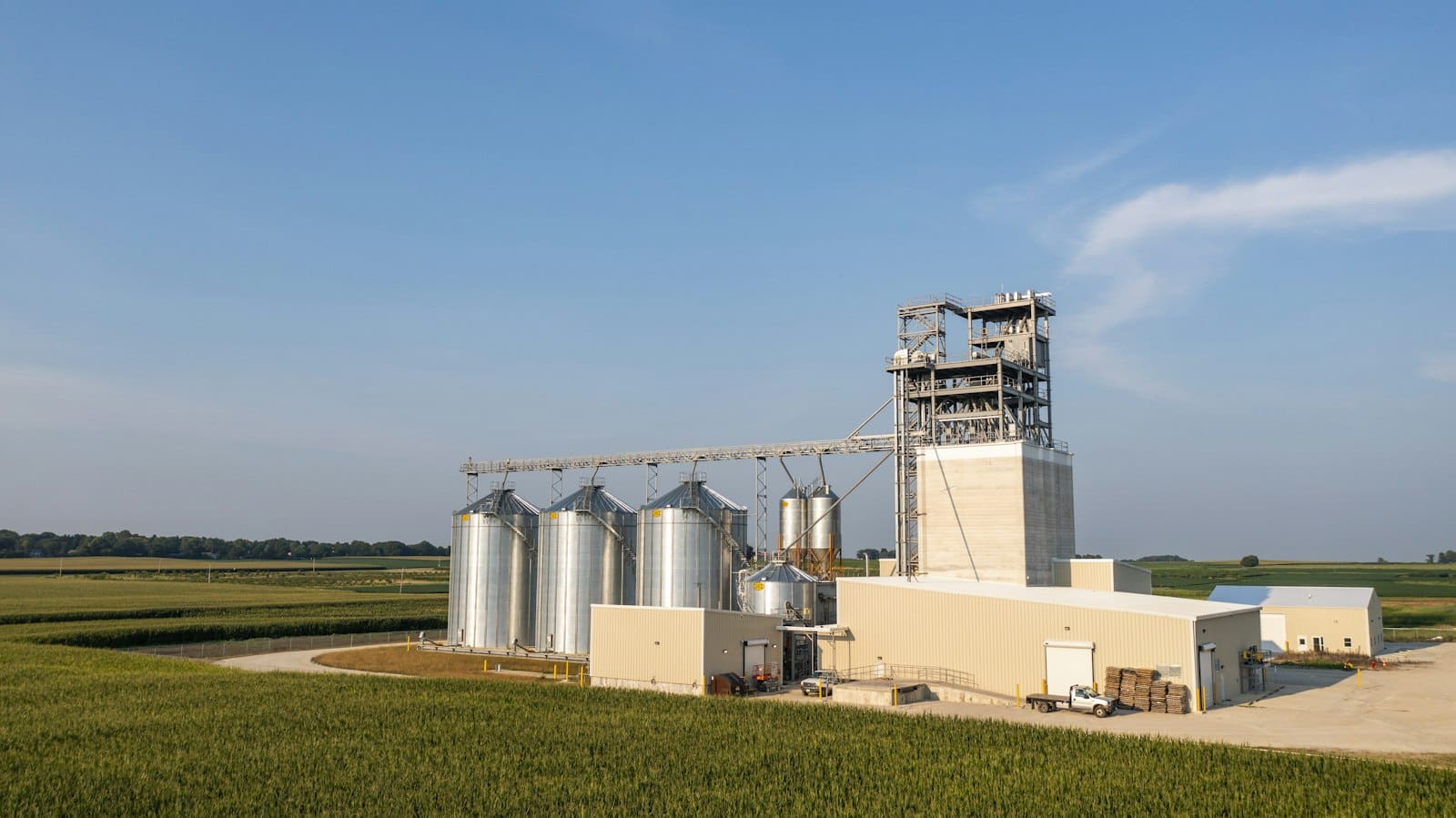
Errors happen. Even with the best systems, sometimes product doesn’t meet quality standards. Whether it’s an equipment failure, a human error or just bad luck, off-spec feed can happen in an instant. What matters is what happens to it next.
The biggest risk with off-spec feed isn’t the cost of the lost batch. It’s the chance that the product finds its way back into the feed supply, where it can hurt animals, leave residues in meat, milk or eggs, and put your mill’s name on a problem you thought was gone.
What Counts as Off-Spec Feed?
- Batches that miss nutrient, drug or label guarantees
- Mixing or sequencing errors, including the wrong premix or medication
- Rejected and returned loads
- Expired premixes, supplements and ingredients
- Product damaged by moisture, mold, pests or contamination
- Feed that may contain material that isn’t allowed in the species it was made for
What the Rules Say
The FDA’s animal food rule under the Food Safety Modernization Act (FSMA), 21 CFR Part 507, sets the baseline for how mills handle product that isn’t right:
- Adulterated animal food must be rejected, disposed of, or treated to remove the problem. If it’s disposed of, it has to be done in a way that protects other animal food from contamination.
- Returned animal food must be identified and kept separate until someone has assessed whether it’s safe.
- When a problem is found, affected animal food must be kept out of commerce until its safety can be assured.
- For recalls, mills covered by the preventive controls rules need a written plan that spells out how recalled product will be reprocessed, reworked, diverted to a safe use or destroyed.
Medicated feed carries extra risk. FDA guidance for feed mills (GFI #72) notes that feed adulterated with the wrong drugs can cause violative drug residues in food animals. And under the ruminant feed rule (21 CFR 589.2000), feed containing prohibited mammalian protein can’t be fed to cattle or other ruminants, so off-spec product with those ingredients can’t be quietly sent to a cattle operation.
Blending It Down Isn’t a Fix
It’s tempting to work a bad batch back into good feed a little at a time. For product with a real safety problem, that’s not an option. FDA policy on diverting adulterated product to animal feed (CPG Sec. 675.200) requires a case-by-case FDA review and specifically does not allow blending to bring an adulterant below a tolerance or action level. Rework is only meant for clean, unadulterated product that was pulled for reasons other than a safety problem.
Best Practices at the Mill
- Stop and hold. Tag off-spec product as soon as it’s found, move it to a marked hold area, and keep it out of the normal flow.
- Assess before you decide. Figure out what went wrong and whether the product is safe for any animal use. When in doubt, treat it as unsalable.
- Keep it separate. Don’t let held product share bins, conveyors or trucks with good feed.
- Don’t give it away. Passing off-spec feed to a neighbor or employee for their livestock can create the exact residue or contamination problem the rules are meant to prevent.
- Document the disposition. Record what the product was, why it was pulled, how much, and where it went. FSMA requires records, and many customers expect them under programs like AFIA’s Safe Feed/Safe Food certification.
- Use an outlet that ends the trail. The goal is a destination where the product can’t come back as feed.
How Alternative Ag Group Helps
We work with feed mills, ingredient suppliers and grain handlers to move off-spec feed, rejected loads and expired ingredients to approved outlets where they won’t re-enter the feed supply. We handle the pickup and trucking, there are no minimums, and pickup is typically scheduled within 7 to 10 days depending on the season.
Have off-spec feed taking up space? Learn about our off-spec feed service or contact us to set up a pickup.
Sources: FDA, 21 CFR Part 507, Current Good Manufacturing Practice, Hazard Analysis and Risk-Based Preventive Controls for Food for Animals; 21 CFR 507.38, Recall plan; FDA Compliance Policy Guide Sec. 675.200, Diversion of Adulterated Food to Acceptable Animal Feed Use; 21 CFR 589.2000, Animal proteins prohibited in ruminant feed; FDA Guidance for Industry #72, GMPs for Medicated Feed Manufacturers; AFIA, Safe Feed/Safe Food Certification. This article is general information, not legal advice. Check federal and state rules for your situation.