
Proper and Safe Handling of Treated Seed
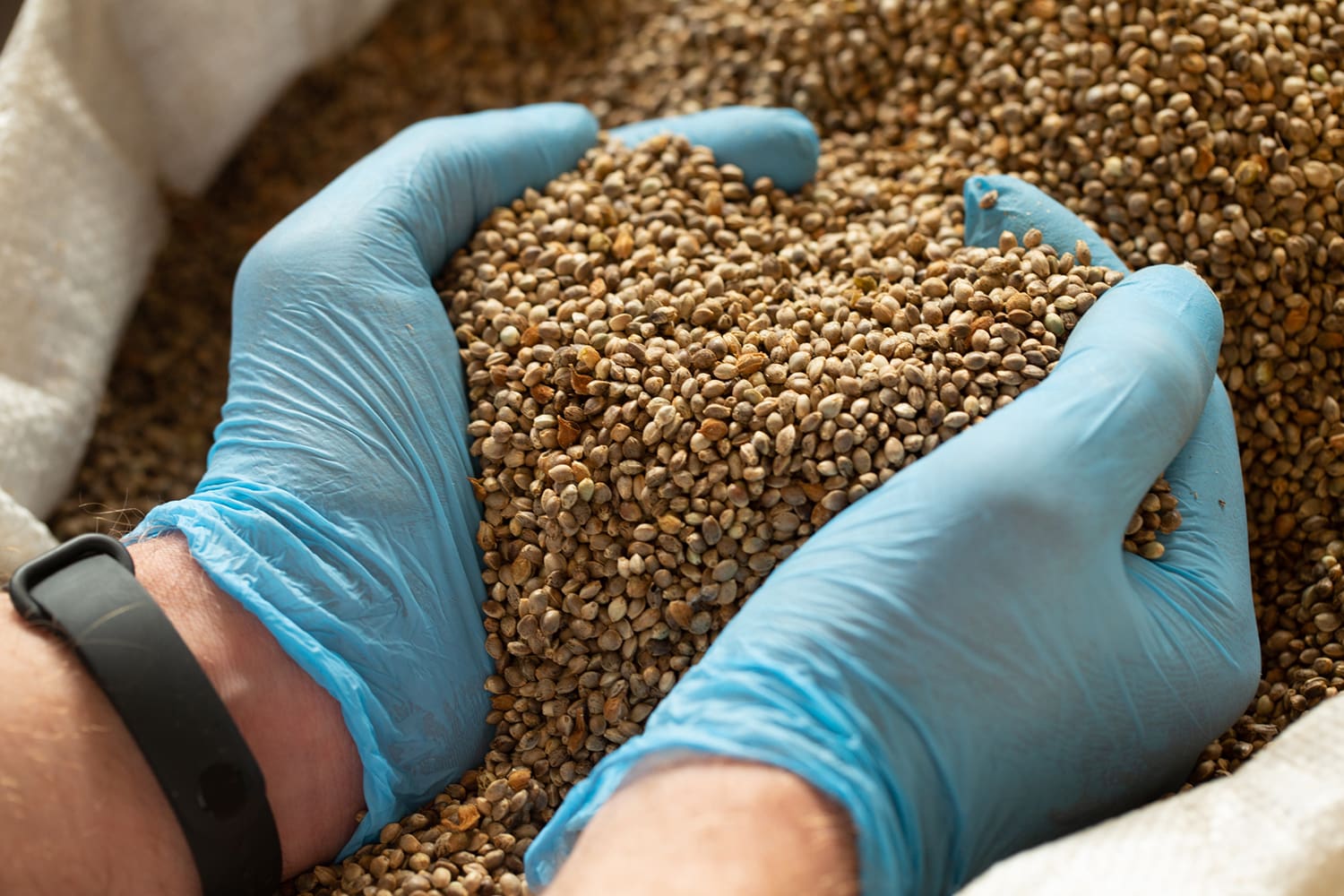
Seed treatments are applied intentionally and with precision to protect crops during their most vulnerable stage. Because of that, treated seed must be handled differently than untreated grain or other agricultural materials.
Proper handling is required. It protects people, preserves product integrity, and ensures treatments perform as intended. Every organization or individual that handles treated seed—seed companies, applicators, warehouses, transporters, and end users—has a responsibility to follow established practices.
Treated Seed Requires Controlled Handling
Treated seed is a finished agricultural input. The coatings and formulations applied during treatment are designed for specific agronomic use and require controlled management.
As a result, treated seed:
- Must be clearly identified and segregated
- Must not be handled interchangeably with untreated materials
- Must be managed by personnel who understand its purpose and limitations
Personal Protective Equipment Is Necessary
Appropriate personal protective equipment (PPE) is required whenever treated seed is handled. PPE expectations should match exposure risk, but direct contact must be minimized.
Handling procedures commonly require:
- Chemical-resistant gloves
- Protective eyewear where contact is possible
- Long sleeves and pants for bulk handling
- Respiratory protection where dust may occur
Spill Response Must Be Immediate and Controlled
Spills and accidental releases can occur. When they do, response must be immediate and deliberate.
Effective handling programs require:
- Defined spill response procedures
- Trained personnel
- Prompt containment and cleanup
Over-Application and Dust-Off Are Handling Failures
Seed treatments are calibrated to deliver specific results at specific rates. Over-application does not improve performance and increases exposure risk. Excessive dust or abrasion indicates breakdowns in application or handling controls.
Prevention requires:
- Proper equipment calibration
- Routine inspection and maintenance
- Quality control during application and movement
Transportation Requires the Same Discipline as Application
Transportation is a critical part of the handling chain. Treated seed must remain contained, clearly labeled, and protected during transit.
Best practices include:
- Secure packaging
- Clean transport equipment
- Clear documentation
- Transport partners who understand handling expectations
Storage and Staging Must Prevent Errors
Temporary storage and staging areas must prevent unintended access, confusion, or mixing with untreated materials.
Required controls include:
- Designated storage areas
- Clear identification
- Separation from other products
- Protection from damage or moisture
Handling Discipline Protects the Entire Supply Chain
Consistent handling practices reduce exposure risk, preserve product performance, and protect trust across the supply chain. Handling failures rarely remain isolated and often create downstream issues.
Proper handling of treated seed is a continuous responsibility. When managed correctly, treatments function as intended. When handled casually, unnecessary risk is introduced.