
Landfills, Land Application and Corn Stoves: Why Discarded Treated Seed Needs a Better Answer
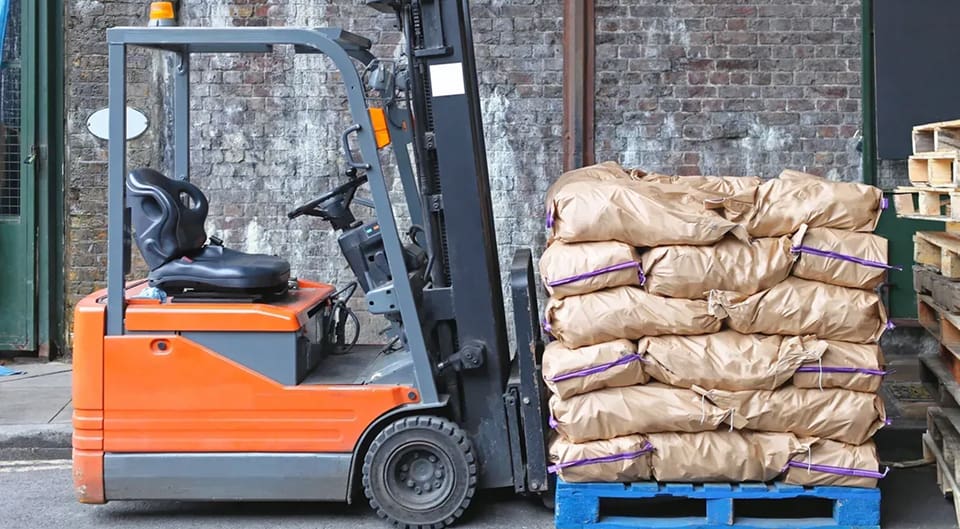
Every season, seed companies end up with treated seed they can’t sell. Bags come back from dealers, varieties get dropped, germ tests fall short, and inventory ages out. That seed still has to go somewhere. The easy answers, like dumping it in a landfill, spreading it on a field or burning it in a corn stove, are the ones that cause the most trouble.
Treated seed is coated with insecticides and fungicides, often neonicotinoids. Those treatments protect a crop in the field. Once the seed leaves the sales channel, those same chemicals are what make it a material that needs to be managed carefully.
Why Not the Landfill?
Some landfills will take treated seed, but many won’t, and the rules vary by state. Depending on the active ingredients, treated seed may be classified as ordinary solid waste or as hazardous waste. Iowa DNR guidance describes landfilling as costly and usually not practical for large volumes, and permits may be required.
Some states go further. The Minnesota Pollution Control Agency treats waste treated seed as industrial solid waste and generally bans burying it. The only landfills that can take it are permitted facilities that have revised their industrial waste plans, with MPCA approval, to accept it. Most landfills haven’t done that.
Even where it’s allowed, a landfill doesn’t destroy anything. The seed and its treatments sit in the ground, and the company that owned the seed is still connected to it.
Why Not Land Apply It?
Planting small amounts of leftover seed at normal rates on non-cropped ground is an accepted practice for growers with a few bags left over. Spreading truckloads of discarded seed on a field is a different thing entirely. Stewardship guidance is clear on this. Pesticide Environmental Stewardship, supported by North Carolina State University’s Center for Integrated Pest Management, says spreading and disking in treated seed at higher-than-normal seeding rates is never recommended. In Minnesota, the MPCA goes further: spreading treated seed on or into soil counts as burial for disposal and is not allowed.
Seed left on the soil surface is a hazard to birds and other wildlife, and concentrated treatments can wash into nearby water. Many seed tags also carry label restrictions that a land application plan would violate.
Why Not Burn It in a Corn Stove?
Shelled corn burns well, so it’s tempting to treat discarded seed corn as free heating fuel. It isn’t. University of Minnesota Extension says to never burn treated seed in a stove used in the home or farm shop, and Iowa DNR warns against burning it in an open pit or in a wood or corn stove. Minnesota doesn’t allow it in corn or wood stoves or in residential or commercial boilers. Burning it can release toxic fumes, including hydrochloric acid and thiophosgene, right where people live and work.
Treated seed also can’t be used for food, feed or oil production, so passing it along to a neighbor for livestock isn’t an option either.
Your Name Stays on the Bag
Handing seed to the cheapest outlet doesn’t end your responsibility for it. If seed is dumped, spread too heavy or burned where it shouldn’t be, the problem can come right back to the company whose name is on the bag. That can mean cleanup costs, regulatory trouble and damage to the trust growers and dealers place in your brand.
What Responsible Disposal Looks Like
- An approved, permitted outlet that is set up to take treated seed and destroy it, not store it or pass it along.
- A clear chain of custody from your dock to final disposition, with paperwork for every load.
- Certificates of destruction you can keep on file for your stewardship records.
- A partner who checks the details, including active ingredients, packaging and state rules, before the truck shows up.
That’s the work we do at Alternative Ag Group. We help seed companies across the U.S. move treated and unsalable seed to approved outlets, handle the trucking, and document each step. There are no minimums, and pickup is typically scheduled within 7 to 10 days, depending on the season.
Have treated seed that needs a home? Learn about our treated seed disposal service or contact us to set up a pickup.
Sources: Minnesota Pollution Control Agency, Treated Seed fact sheet (Dec. 2023); Pesticide Environmental Stewardship (NC State CIPM), Treated Seed Disposal; University of Minnesota Extension, Safe Handling of Treated Seed; Iowa Department of Natural Resources, Disposal of Treated Seed. Always check the seed tag and your state’s rules before choosing a disposal method.